Tarot Cards for Beginners: A Guide to Tarot Card Meanings
Date: 24 August 2026
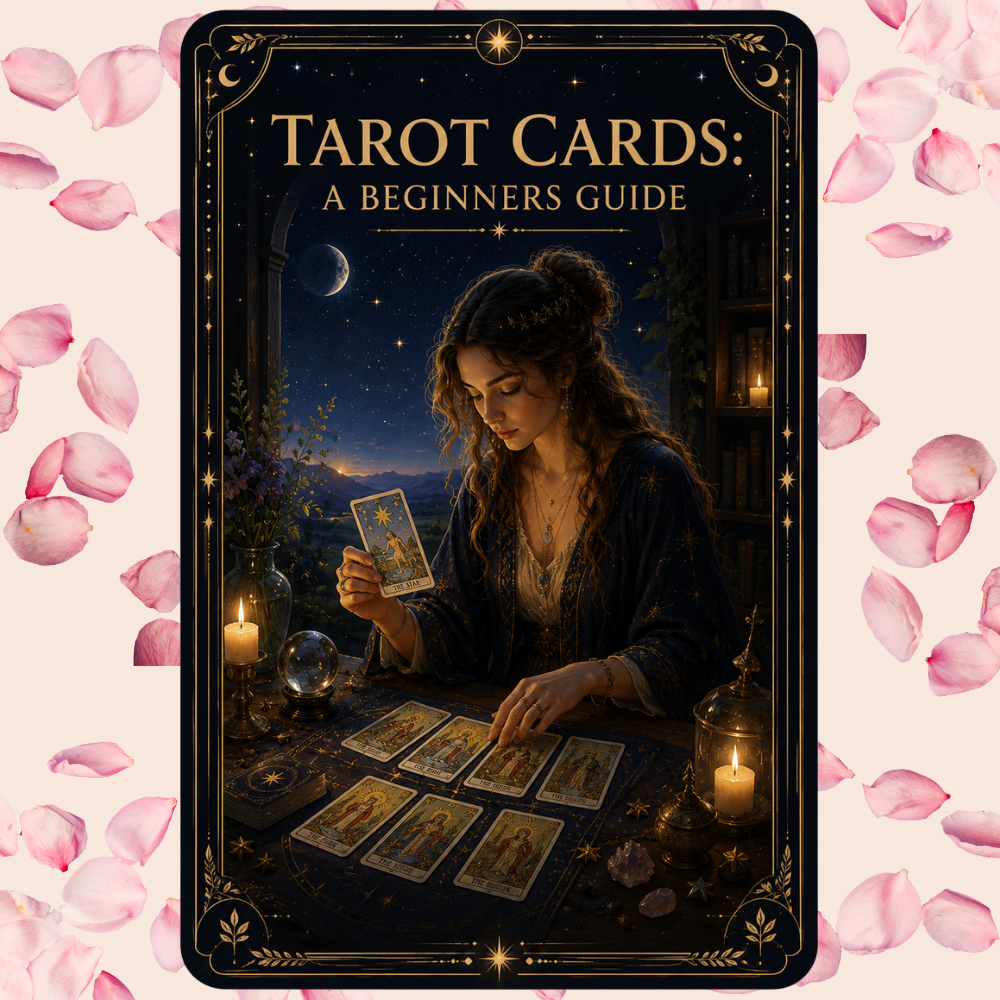
By Alison (pin 7659)Tarot can seem mysterious when you first encounter it. With 78 cards, rich symbolism and different ways to interpret a reading, it is not always easy to know where to begin.
For those exploring tarot cards for beginners, the best starting point is to understand the deck and how tarot card meanings are used. You do not need to memorise every card. Each offers themes, symbols and possibilities that can be explored in relation to the question being asked.
This guide introduces how tarot works and gives an overview of the 22 Major Arcana cards.
What Are Tarot Cards?
A traditional tarot deck contains 78 cards. Each uses imagery and symbolism to represent different experiences, emotions, challenges and stages of life.
People may turn to tarot when facing a decision, experiencing change or seeking clarity around a relationship or situation. Others use the cards for reflection and self-understanding.
Tarot is not simply about predicting what will happen. A reading can highlight patterns, possibilities and influences that help you see a situation differently.
Major Arcana and Minor Arcana: What's the Difference?
A tarot deck is divided into the Major Arcana and Minor Arcana.
The 22 Major Arcana cards represent significant themes, turning points and life experiences. The remaining 56 Minor Arcana cards tend to relate more closely to everyday matters, including relationships, thoughts, emotions and practical concerns.
This beginner's guide focuses on the Major Arcana. The Minor Arcana can be explored later as your understanding develops.
How Does a Tarot Reading Work?
A tarot reading usually begins with a question or area of life to explore. The cards are shuffled and then drawn individually or arranged in a tarot spread, which simply means laying several cards in particular positions, with each position representing a different part of the question.
A simple three-card spread might explore past, present and future, or a situation, challenge and possible way forward.
The reader considers each card’s traditional meaning and symbolism alongside its position, the question and the surrounding cards. This is why the same card can carry different shades of meaning in different readings.
How to Understand Tarot Card Meanings
Tarot card meanings are best treated as a starting point rather than rigid definitions.
Notice what is happening in the image. Look at the people, colours, objects and landscape. Consider how the card makes you feel and which part of its traditional meaning seems most relevant.
Context matters too. A card can feel encouraging, challenging or cautionary depending on the question and its place within the spread.
Over time, interpretation becomes more natural. You do not need to memorise all 78 cards before you begin.
Major Arcana Tarot Card Meanings
The Major Arcana follows a symbolic journey from The Fool, representing beginnings and possibility, through growth, choice and transformation, to The World, associated with completion and integration.
0 – The Fool
The Fool represents new beginnings, possibility and stepping into the unknown. It can suggest openness, adventure or taking a chance.
I – The Magician
The Magician represents ability, intention and using the resources available to you. It suggests recognising your potential and acting on it.
II – The High Priestess
The High Priestess represents intuition, inner knowing and what lies beneath the surface. She encourages patience, reflection and trust.
III – The Empress
The Empress is linked with creativity, nurture, abundance and growth. She may appear when something needs care to develop.
IV – The Emperor
The Emperor represents structure, stability and authority. He can highlight boundaries, practical planning and strong foundations.
V – The Hierophant
The Hierophant is associated with tradition, learning and established beliefs. It invites reflection on what you have been taught.
VI – The Lovers
The Lovers speaks of meaningful connection, shared values and important choices. It often asks you to consider what matters most.
Discover what The Lovers may mean in your reading
VII – The Chariot
The Chariot represents determination, direction and forward movement. Progress may depend on focus and taking control of where you are heading.
VIII – Strength
Strength is associated with courage, patience and inner resilience. It points towards calm confidence and self-control rather than force.
IX – The Hermit
The Hermit represents reflection, solitude and inner guidance. It may suggest stepping back from outside influences to gain clarity.
X – Wheel of Fortune
The Wheel of Fortune reflects change, cycles and shifting circumstances. It reminds us that no phase lasts forever.
Uncover the meaning of Wheel of Fortune and the changes it may bring
XI – Justice
Justice is associated with truth, fairness and accountability. It may encourage objective thinking, awareness of consequences and balanced choices.
XII – The Hanged Man
The Hanged Man represents pause, surrender and a different perspective. Sometimes progress comes from seeing a situation differently.
Discover what The Hanged Man teaches about pause and perspective
XIII – Death
Despite its name, Death usually represents endings, transition and transformation rather than physical death. One phase may need to end before another begins.
Discover what the Death card really means
XIV – Temperance
Temperance represents balance, moderation and integration. It can suggest bringing different parts of life into harmony.
XV – The Devil
The Devil can highlight attachment, temptation or patterns that restrict your freedom. It may encourage awareness of habits or fears.
XVI – The Tower
The Tower represents sudden change, disruption or the breakdown of something that can no longer remain as it was.
Discover what The Tower reveals about sudden change and truth
XVII – The Star
The Star is associated with hope, renewal and inspiration. It can signal that healing and possibility are returning.
Explore The Star's message of hope, healing and renewal
XVIII – The Moon
The Moon represents uncertainty, intuition and things that are not yet clear. It may suggest allowing hidden feelings or information to emerge.
XIX – The Sun
The Sun is linked with optimism, warmth, confidence and clarity. It often brings encouraging energy to a reading.
XX – Judgement
Judgement represents awakening, reflection and recognising what needs to change. Past experience may help clarify your direction.
XXI – The World
The World represents completion, achievement and integration. It often marks the end of an important cycle.
How to Start Reading Tarot as a Beginner
If you are new to tarot, begin simply. Draw one card and spend time looking at its imagery before checking its traditional meaning. Notice what catches your attention and how the card relates to your question.
As you become more familiar with the deck, try simple spreads and notice how cards influence one another.
There is no need to learn everything at once. Tarot becomes easier through practice, observation and growing confidence.
Explore Tarot Card Meanings in More Detail
The Major Arcana is a useful starting point, but every card contains more symbolism and meaning than a short description can cover.
Exploring individual cards in greater depth can help you understand how meanings may change according to the question, position and surrounding cards.
We're also beginning to explore the Minor Arcana, start with the Three of Swords, a card of heartbreak, honesty and healing.
Use the individual card guides linked throughout this page to continue exploring tarot one card at a time.
Frequently Asked Questions
Do I need to memorise all 78 tarot cards to start reading?
No. Each card offers themes and possibilities to explore rather than a fixed definition to learn by heart. Most beginners start by drawing a single card, reflecting on its imagery, and building familiarity gradually through practice.
What's the difference between the Major and Minor Arcana?
The 22 Major Arcana cards represent significant life themes and turning points, while the 56 Minor Arcana cards tend to relate to everyday matters like relationships, emotions and practical concerns. Beginners often start with the Major Arcana before exploring the Minor Arcana further.
How many cards are used in a tarot reading?
It varies. A simple reading might use just one card, while a common beginner spread uses three, often representing past, present and future, or a situation, challenge and way forward. There's no fixed number to start with.
Where should a beginner start with tarot?
Start simply. Draw one card, spend time with its imagery before checking its traditional meaning, and notice what resonates with your question. Confidence builds naturally through practice, not memorisation.
Special Offers
New Clients Receive 20 minutes for £10 - please create your account and click "Top Up"
Free Tarot Reading
Do you have a question that’s been bothering you or a situation that’s making you uncertain? Why not try our free card reading service? Write your question in the box and click the button to get your reading.
Want to know more?
Call 0207 553 5000 to speak to our gifted psychics...
Join millions who have already received guidance.
Become a Crystal Circle member today!
Sign up for news, insights and offers
CREATE ACCOUNTAll readings are for entertainment purposes only
© 2026 Enlightened Media Services Limited
Secure Payment
